ABOUT ART THERAPY
In art therapy, various forms of artistic expression (drawing, painting, sculpture, clay-field, dance, movement, music, sandplay, figurine play, improvisations, etc), are used to support individuals in expressing themselves freely in a safe and supportive environment. Through diverse and often continuous multimodal interventions, individuals begin to discover themselves, connect with their inner selves, access their inner images, symbols and personal resources, connect with their bodies. Feelings, sensations and thoughts are explored through colors, shapes, lines, gestures, postures, movement, sounds and words. Through the creative process and therapeutic guidance, individuals can gradually become more aware of the embodied content of their unconscious and of their internal dialogue. This process may help liberate them from limiting generational patterns, strengthen their connection to their own resources, and support them in finding their own path towards transformation and healing.
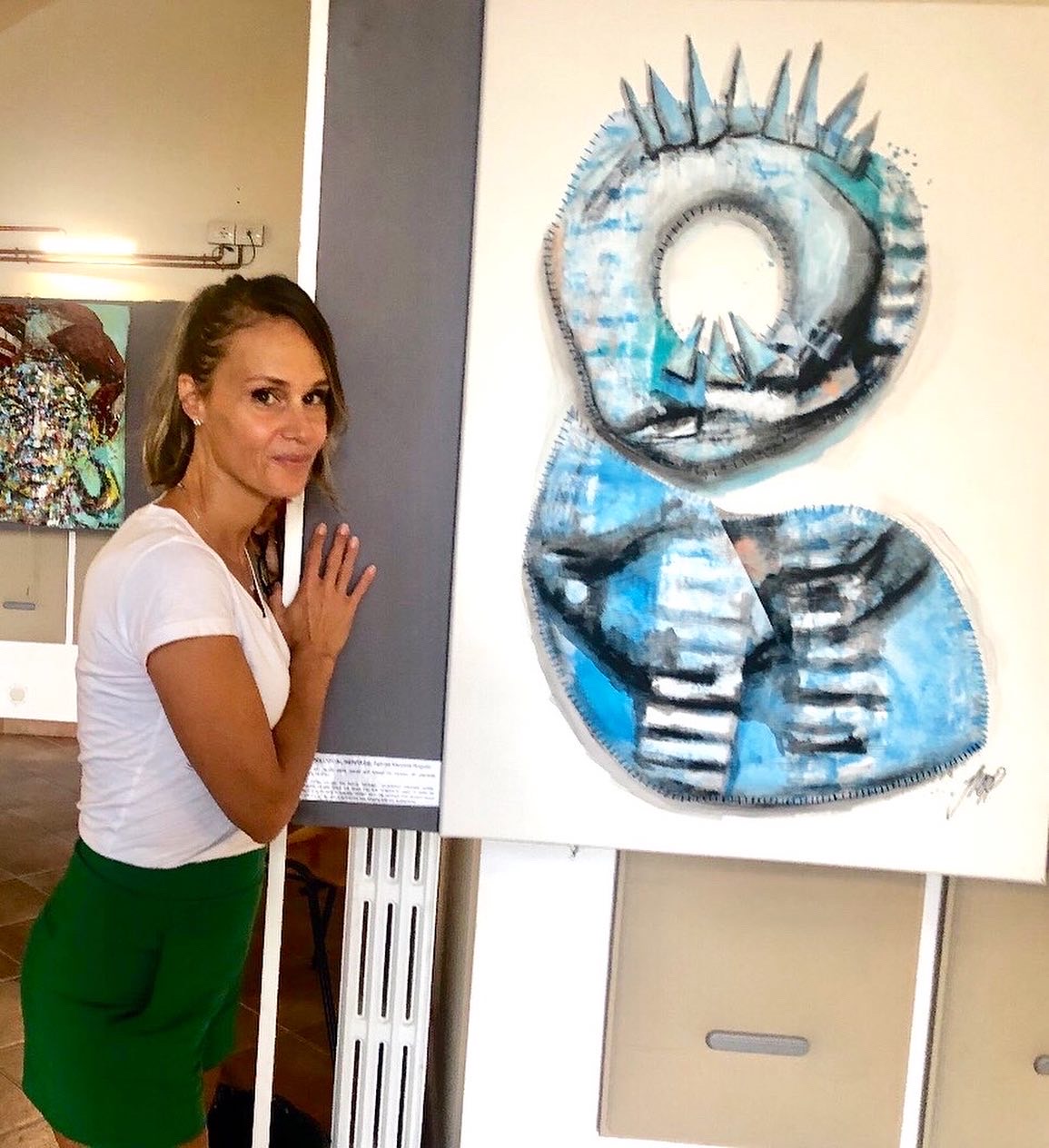
Sabrina is in art therapy field since the year 2008 when she started studying art therapy, psychoanalysis and psychogenealogy. Since the beginning of her career, she encountered many individuals -both children and adults- carrying ancestral wounds, particularly those linked to prenatal trauma and loss. She is working with children and adolescents in Psychological center in Monaco, with adults in Psychiatric Unit in Monaco, and intervening as Professor, Mentor and Supervisor at IEPA, Saint Laurent du Var. She presents her work, engages in interdisciplinary dialogue, and contributes to ongoing discussions in the fields of expressive arts therapy, mental health, and trauma-informed care. She actively advocates for the importance of art therapy and expressive arts therapy within both educational and therapeutic settings, emphasizing their role in supporting emotional expression, self-awareness, relational development, and healing processes across different stages of life. Through her professional involvement, she seeks to promote greater recognition of creative and embodied approaches as valuable components of contemporary therapeutic and educational practices. As a professional member of SFAT (French Syndicate of art therapists), she is elected as representative of PACA region (South of France).
ABOUT RESEARCH PROJECT
Her developing research project at the EGS, Division of Health, Art and Society, Switzerland, explores the phenomenological aspects of prenatal memories related to twin loss through expressive arts.
Holding the unseen: Expressive Arts, Embodiment and Prenatal Twin Loss
Trauma-informed expressive arts research project on prenatal twin loss and transgenerational memory with therapist-survivors
Prenatal twin loss can remain invisible, unspoken, and somatically held across the lifespan. In trauma-informed practice, expressive arts offer a way to explore embodied memory, preverbal and transgenerational traces of twin loss and relational transformation.Prenatal twin loss can remain invisible, unspoken, and somatically held across the lifespan. In trauma-informed practice, expressive arts offer a way to explore embodied memory, preverbal and transgenerational traces of twin loss and relational transformation. This developing research project explores the symbolic emergence of twin loss through art-making, movement and image. The inquiry is grounded in intermodal expressive arts therapy, phenomenology, and participatory co-research.
Possible research-practice contribution:
-it explores if and how expressive arts can access embodied, preverbal, and symbolic memory.
-it speaks to therapist-survivors, clinicians who carry invisible grief and their clients.
-it connects trauma-informed practice with creative methods, education, and supervision.
-it invites dialogue about what emerges as evidence in arts-based and embodied inquiry.
Key words: prenatal twin loss, expressive arts therapy, phenomenology, transgenerational memory, autoethnography, therapist-survivors
This project welcomes contact from practitioners, researchers, and supervisors interested in trauma-informed expressive arts inquiry, participatory research, and the study of embodied and transgenerational memory.